The Evolution of AI Video From the Past to Today
By Batuhan Balcı - Co-Founder
AI video technology has come a long way in a short time. In this post, we look at how it all started, where we are right now, and what we can expect to see in the near future.
From Rough Clips to Cinematic Magic
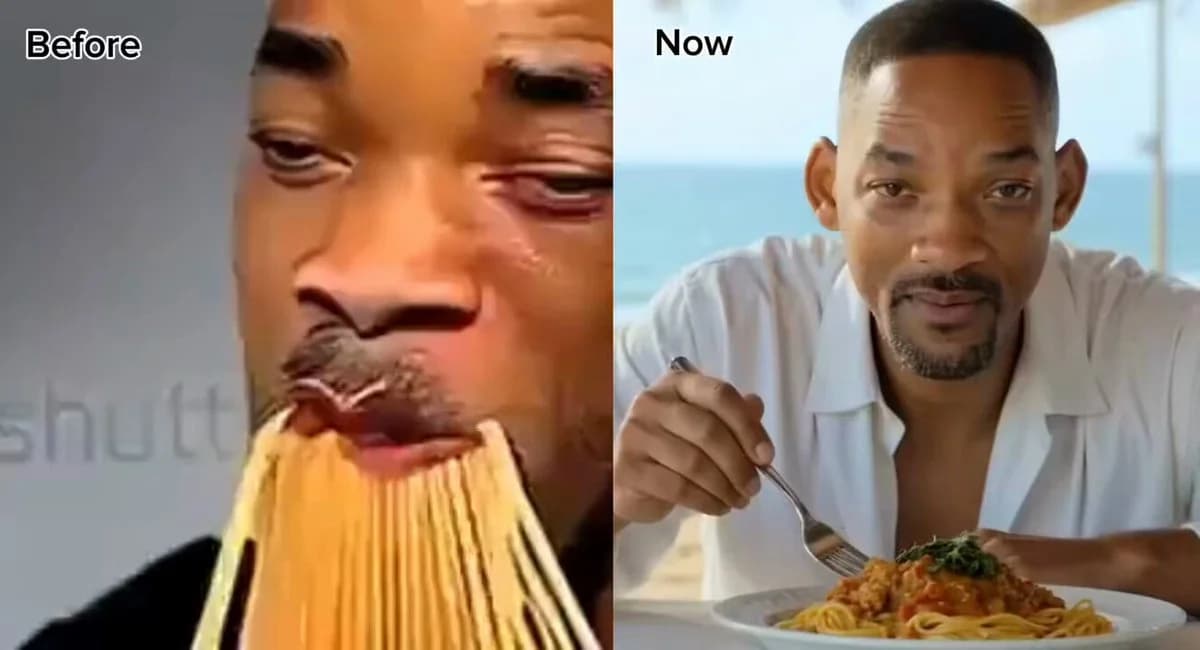
If you remember those first attempts at AI video generation, you probably remember the frustration of trying to get a stable output. Early AI video production was truly the wild west. We were dealing with morphing faces, strange limb movements, and video clips that looked like they were melting in front of our eyes. It was a time when AI video technology was more of a fun experiment than a serious tool for creators. But even with those weird, blurry frames, the potential was obvious to anyone paying attention.
As we moved through the years, the pace of AI video evolution shifted into overdrive. It wasn’t just about making things move anymore; it was about coherence. By 2024 and 2025, we started seeing models that could finally understand physics, maintain character consistency, and follow complex cinematic prompts. The grainy, unpredictable clips of the past were replaced by sharp, high definition scenes that looked like they were pulled from actual movies.
Now, in 2026, we’re living in a time where AI video trends are pushing the boundaries of what’s possible, allowing us to turn simple text ideas into high quality stories in just a few clicks. It’s been an incredible journey watching this tech grow up, and honestly, the best part is that we’re still just getting started.
What to Expect in the Future
We’ve seen how far we’ve come, but the real question is: where is this train stopping? Honestly, I don’t think it is. The pace of AI video technology development is relentless. Soon, I expect we’ll see features like 'Temporal Consistency' becoming standard no more flickering backgrounds or characters changing clothes mid shot. Everything will just hold its ground perfectly.
Beyond that, I think we’re heading toward 'Real time Generative Direction.' Imagine being able to nudge the camera angle while the video is still rendering, or telling the AI to 'make it look more moody' mid-process. We’re also likely to see much tighter integration with audio, where the video reacts dynamically to the pacing of the voice-over or the beat of the background music.
It’s not just about generating a clip anymore; it’s about controlling an entire production environment. We’re moving toward a point where the future of AI video is essentially real time animation, where the limit isn't the software it’s just our own imagination. It’s a massive leap from the static, shaky clips of yesterday, and honestly, we’re all going to be surprised by what these tools can do in just another few months.
Join us on